Football managers often build their reputations through trophies, memorable matches, and the ability to bring out the best in their players. Martin O’Neill has achieved all three throughout a remarkable career. From winning European honours with Nottingham Forest to transforming Celtic and guiding the Republic of Ireland to Euro 2016, his journey spans several decades. His return to Celtic has added another exciting chapter to a career filled with major achievements.
Who Is Martin O’Neill?
Martin O’Neill is a Northern Irish football manager and former professional midfielder. Born on 1 March 1952 in Kilrea, Northern Ireland, he became one of the most recognised figures in British and Irish football.
He first gained international recognition as a player with Nottingham Forest, winning the European Cup twice under legendary manager Brian Clough. After retiring from professional football, he moved into management and developed a reputation for building competitive teams.
His managerial career includes important periods at Leicester City, Celtic, Aston Villa, Sunderland, and the Republic of Ireland national team.
As of November 2026, he manages Celtic after signing a new contract in June 2026. His experience, leadership, and previous success at the club make him an important figure in Celtic’s modern history.
Martin O’Neill Biography and Personal Background
Martin O’Neill grew up in Kilrea, a small village in County Londonderry, Northern Ireland. His early interests included Gaelic football and association football, both of which played an important role in his development.
His sporting background helped him develop discipline, competitive instincts, and an understanding of team responsibilities. These qualities later became important during his playing and managerial careers.
Here are the key details about his life and professional background.
| Category | Details |
| Full name | Martin Hugh Michael O’Neill |
| Date of birth | 1 March 1952 |
| Age | 74 years (November 2026) |
| Birthplace | Kilrea, Northern Ireland |
| Nationality | Northern Irish |
| Profession | Football manager and former player |
| Playing position | Midfielder |
| Former national team | Northern Ireland |
| International appearances | 64 |
| International goals | 8 |
| Current club | Celtic FC |
| Current position | Football manager |
| Major playing achievement | Two European Cup titles |
| Major managerial achievement | Seven major trophies during his first Celtic spell |
| Honours | Order of the British Empire (OBE) |
His career reflects a long commitment to professional football, first as a midfielder and later as a manager responsible for major clubs and an international team.
Early Football Career and First Steps
Before becoming a recognised football manager, Martin O’Neill developed his football skills in Northern Ireland.
He played for local teams and attracted attention through his performances as a midfielder. His technical ability, work rate, and understanding of the game helped him move towards professional football.
He began his senior playing career with Distillery before joining Nottingham Forest in 1971. That move became one of the most important decisions of his sporting life.
Joining an ambitious English club gave him opportunities to compete at a higher level and develop under experienced coaches.
His early progress also established the foundation for his later international career with Northern Ireland.
Nottingham Forest: Winning Two European Cups
Nottingham Forest played a major role in establishing Martin O’Neill as a successful professional footballer.
Under Brian Clough, Forest developed into one of Europe’s strongest teams. O’Neill became part of a talented squad that achieved extraordinary success in European competition.
The club won the European Cup in 1979 and successfully defended the title in 1980.
These victories placed O’Neill among the players who experienced European football at the highest level during that era.
Why Nottingham Forest Was Important
His time at Nottingham Forest helped him develop several qualities:
- Experience competing in major European matches.
- Understanding of team organisation and tactical discipline.
- Knowledge of high-pressure football.
- Exposure to Brian Clough’s management methods.
- Confidence gained from winning major competitions.
O’Neill’s relationship with the club remains an important part of his football identity.
Martin O’Neill’s Playing Career and International Record
Alongside his success at Nottingham Forest, O’Neill represented several English clubs during his playing career.
His professional journey included Norwich City, Manchester City, Notts County, Chesterfield, and Fulham.
He also represented Northern Ireland internationally between 1971 and 1984.
One of the biggest highlights came at the 1982 FIFA World Cup in Spain, where he captained Northern Ireland. The tournament provided a major international platform for the team and its experienced players.
Playing Career Overview
| Club or Team | Period | Important Information |
| Distillery | 1971 | Began senior football |
| Nottingham Forest | 1971–1981 | Won two European Cups |
| Norwich City | 1981 | First spell |
| Manchester City | 1981–1982 | Continued English league career |
| Norwich City | 1982–1983 | Returned to the club |
| Notts County | 1983–1984 | Played in the English league |
| Chesterfield | 1984 | Later career |
| Fulham | 1985 | Final playing-career association |
| Northern Ireland | 1971–1984 | 64 international appearances |
His 64 international caps and eight goals demonstrate his contribution to Northern Irish football.
How Did Martin O’Neill Become a Football Manager?
After ending his playing career, O’Neill moved into football management.
Rather than immediately taking charge of a major club, he developed his coaching experience through smaller teams. He managed Grantham Town, Shepshed, and Wycombe Wanderers before reaching higher levels of English football.
His work at Wycombe Wanderers became particularly important.
He helped the club progress through the English non-league system and secure a place in the Football League. This achievement demonstrated his ability to organise a team, develop players, and build a winning mentality.
His early managerial experience prepared him for opportunities at Norwich City and Leicester City.
Leicester City: Building a Trophy-Winning Team
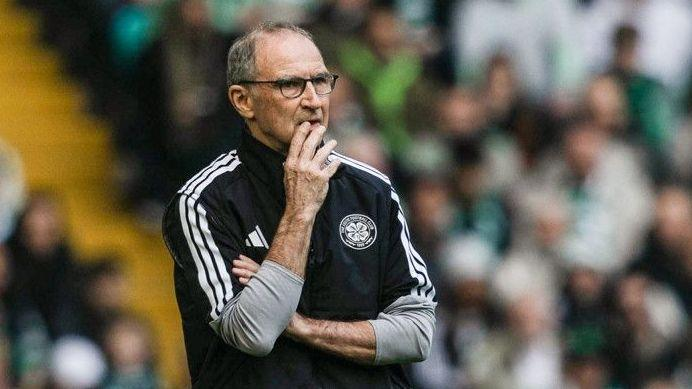
Martin O’Neill joined Leicester City in December 1995 and became one of the most successful managers in the club’s modern history.
At the time, Leicester wanted to establish themselves as a competitive English club. O’Neill helped turn that ambition into results.
His team combined organised defending, effective attacking play, and strong team spirit. Leicester also became known for their performances in domestic cup competitions.
Leicester City’s Major Achievements Under O’Neill
The club reached the League Cup final three times during his management.
It won the competition in:
- 1997, defeating Middlesbrough in the final replay.
- 2000, defeating Tranmere Rovers.
These victories gave Leicester important silverware and strengthened O’Neill’s reputation as a manager who could deliver results.
He also helped Leicester establish themselves in the Premier League and compete for European qualification.
His achievements at Leicester attracted interest from larger clubs and created the opportunity for his next major move.
Celtic: The Beginning of a Historic Managerial Era
One of the defining periods in Martin O’Neill’s career began when he joined Celtic in 2000.
The Scottish club wanted to compete consistently with Rangers and improve its standing in European football. O’Neill arrived with a strong managerial record and immediately started rebuilding the team’s competitive identity.
His first season produced outstanding results.
Celtic won the Scottish Premier League, Scottish Cup, and Scottish League Cup during the 2000–01 campaign. This historic domestic treble established O’Neill as one of the club’s most successful modern managers.
Celtic’s Success Under Martin O’Neill
During his first spell between 2000 and 2005, Celtic won seven major trophies.
These included:
- Three Scottish Premier League titles.
- Three Scottish Cups.
- One Scottish League Cup.
His team also developed a strong European reputation.
Celtic became more competitive in continental competitions, and their performances attracted attention from football supporters across Europe.
O’Neill’s ability to manage experienced players, develop a winning mentality, and handle pressure made this period particularly memorable.
What Happened in the 2003 UEFA Cup Final?
The 2003 UEFA Cup Final remains one of the most memorable matches in Celtic’s modern history.
Celtic reached the final under Martin O’Neill and faced Portuguese side Porto in Seville, Spain.
The match attracted enormous attention because Celtic had the opportunity to win a major European trophy.
Porto eventually won 3–2 after extra time. Although Celtic did not lift the trophy, reaching the final represented a significant achievement.
Why the Final Was So Important
The match demonstrated several strengths of O’Neill’s Celtic side:
- Strong performances against European opposition.
- Effective attacking football.
- Excellent team spirit.
- The ability to compete in high-pressure matches.
- A passionate connection between the players and supporters.
The Seville final remains an important part of Celtic’s European history.
Martin O’Neill at Aston Villa
After leaving Celtic in 2005, O’Neill took a break from football management.
He returned in August 2006 when Aston Villa appointed him as their manager.
Villa wanted to become more competitive in the Premier League, and O’Neill brought considerable experience from Leicester and Celtic.
His appointment helped establish a new period of ambition at Villa Park.
Aston Villa’s Premier League Progress
Under O’Neill, Aston Villa finished sixth in the Premier League for three consecutive seasons:
- 2007–08
- 2008–09
- 2009–10
These results demonstrated consistency in one of the most competitive football leagues.
Villa also reached the 2010 League Cup final, although they lost to Manchester United.
O’Neill resigned in August 2010, ending a four-year period at the club.
Sunderland and Nottingham Forest Managerial Periods
Following his departure from Aston Villa, O’Neill returned to management with Sunderland in December 2011.
The club was looking for leadership and improved results in the Premier League.
His appointment initially generated excitement among supporters. Sunderland produced some encouraging performances, although the team struggled to maintain consistent results over the longer term.
He left the club in March 2013.
In January 2019, he returned to Nottingham Forest as manager.
This appointment brought him back to a club where he had enjoyed some of his greatest playing achievements. However, his second connection with Forest as manager was relatively short, ending in June 2019.
These periods added further experience to his already extensive managerial career.
Republic of Ireland: Leading the National Team to Euro 2016
Another major chapter began in November 2013 when O’Neill became manager of the Republic of Ireland national football team.
He worked alongside assistant manager Roy Keane, creating a management partnership that attracted considerable public attention.
Their main objective was to improve Ireland’s competitive performances and qualify for major tournaments.
Qualification for UEFA Euro 2016
O’Neill successfully guided Ireland to the 2016 European Championship in France.
One of the campaign’s most memorable moments came when Ireland defeated Germany 1–0 in October 2015.
That victory strengthened the team’s qualification hopes and demonstrated its ability to compete against elite international opposition.
Ireland subsequently secured a place at Euro 2016 through the qualification process.
At the tournament, the team reached the Round of 16 after finishing third in its group. Ireland then lost to France, bringing its campaign to an end.
Nevertheless, qualification and progression beyond the group stage represented important achievements for Irish football.
Martin O’Neill’s Return to Celtic in 2025 and 2026
Martin O’Neill returned to Celtic in October 2025 during a difficult period for the club.
His initial appointment was on an interim basis, following Brendan Rodgers’ departure.
He brought experience and familiarity with Celtic’s expectations at a time when the club needed greater consistency.
Celtic subsequently appointed Wilfried Nancy, but another managerial change followed in January 2026.
O’Neill returned to take charge until the end of the season.
His return produced a successful campaign, with Celtic securing the Scottish Premiership title and Scottish Cup.
Permanent Celtic Appointment in June 2026
On 11 June 2026, Celtic officially confirmed O’Neill’s appointment as football manager on a one-year contract with an additional one-year option.
This announcement confirmed that he would continue leading the club into the 2026–27 season.
His return demonstrates the value Celtic places on his experience and previous achievements.
It also creates another opportunity for him to add to his impressive collection of domestic honours.
Martin O’Neill’s Major Trophies and Achievements
O’Neill’s career includes major achievements as both a player and a manager.
His playing honours came primarily through Nottingham Forest, while his managerial trophies came through Leicester City and Celtic.
The following table highlights some of the most important milestones.
Complete Major Achievements Table
| Year / Period | Club or Team | Achievement |
| 1979 | Nottingham Forest | European Cup winner |
| 1980 | Nottingham Forest | European Cup winner |
| 1982 | Northern Ireland | Captained the team at FIFA World Cup |
| 1995–2000 | Leicester City | Established the club as a competitive Premier League side |
| 1997 | Leicester City | Football League Cup winner |
| 2000 | Leicester City | Football League Cup winner |
| 2000–01 | Celtic | Scottish domestic treble |
| 2001–02 | Celtic | Scottish Premier League champion |
| 2002–03 | Celtic | UEFA Cup runner-up |
| 2003–04 | Celtic | Scottish domestic double |
| 2004–05 | Celtic | Scottish Cup winner |
| 2007–08 | Aston Villa | Premier League sixth place |
| 2008–09 | Aston Villa | Premier League sixth place |
| 2009–10 | Aston Villa | Premier League sixth place and League Cup finalist |
| 2015 | Republic of Ireland | Qualified for Euro 2016 |
| 2016 | Republic of Ireland | Reached Euro 2016 Round of 16 |
| 2026 | Celtic | Scottish Premiership and Scottish Cup double |
| 2026 | Celtic | Signed a new managerial contract |
His record demonstrates success across domestic leagues, cup competitions, and international football.
What Makes Martin O’Neill’s Management Style Different?
O’Neill is known for combining tactical organisation with strong man-management skills.
His teams often show clear defensive structure, competitive intensity, and an emphasis on working together.
Rather than relying entirely on one tactical formation, he has adapted his approach according to the players available and the challenges presented by different competitions.
Key Characteristics of His Management Style
1. Strong team organisation
His teams generally prioritise structure and understand their responsibilities during different phases of a match.
2. Effective man-management
O’Neill has worked with experienced international players and younger footballers throughout his career. His communication and leadership have been important parts of his management approach.
3. Competitive mentality
His Leicester and Celtic teams demonstrated the ability to compete in high-pressure matches and important cup competitions.
4. Tactical flexibility
He has managed different types of teams across several leagues, adjusting his approach to suit the competition and squad.
5. Experience in major competitions
His European playing career and extensive managerial background have given him valuable knowledge of high-level football.
Martin O’Neill’s Influence on Modern Football
O’Neill’s influence extends beyond the trophies he has won.
His work at Leicester helped establish the club as a stronger Premier League competitor. His first Celtic spell also helped restore the club’s domestic dominance and improve its European reputation.
His international work with the Republic of Ireland created another important achievement by taking the national team to Euro 2016.
His return to Celtic in 2025 and 2026 also demonstrated how experienced managers can play an important role during periods of transition.
For supporters, his career represents a combination of ambition, consistency, and memorable football moments.
Awards, Honours and Recognition
Martin O’Neill has received recognition for his contribution to professional football.
His achievements have earned respect from clubs, supporters, players, and football organisations.
Some important honours and milestones include:
- Two European Cup medals as a Nottingham Forest player.
- An OBE in 2004 for services to sport.
- Multiple domestic trophies with Leicester City and Celtic.
- Recognition for his work with Northern Ireland and the Republic of Ireland.
- Induction into the League Managers Association Hall of Fame 1000 Club in February 2026, marking his 1,000th professional match as a manager.
These milestones reflect the longevity and impact of his career.
Frequently Asked Questions
Martin O’Neill is a Northern Irish football manager and former midfielder. He is known for winning two European Cups with Nottingham Forest and managing clubs including Leicester City, Celtic, and Aston Villa. He manages Celtic as of November 2026.
Martin O’Neill was born on 1 March 1952. He is 74 years old as of November 2026.
Yes. Celtic officially confirmed his permanent appointment on 11 June 2026. He signed a one-year contract with an additional one-year option.
During his first managerial spell at Celtic, O’Neill won seven major trophies: three Scottish Premier League titles, three Scottish Cups, and one Scottish League Cup. His later return added further silverware in 2026.
Yes. He won the European Cup twice with Nottingham Forest, in 1979 and 1980, under manager Brian Clough.
Yes. He led the Republic of Ireland to the UEFA Euro 2016 tournament in France. Ireland reached the Round of 16 after progressing from the group stage.
Conclusion
Martin O’Neill has built an impressive football career through determination, leadership, and consistent results. His achievements as a Nottingham Forest player, Leicester City manager, Celtic manager, and Republic of Ireland coach have made him an influential figure in British and Irish football.
His return to Celtic in 2025 and permanent appointment in 2026 added another successful chapter to his story. As he continues leading Celtic, supporters will be watching to see what he achieves next.
Which achievement stands out most in his career: winning two European Cups with Nottingham Forest, reaching the UEFA Cup Final with Celtic, or leading Ireland to Euro 2016? Share your thoughts in the comments.