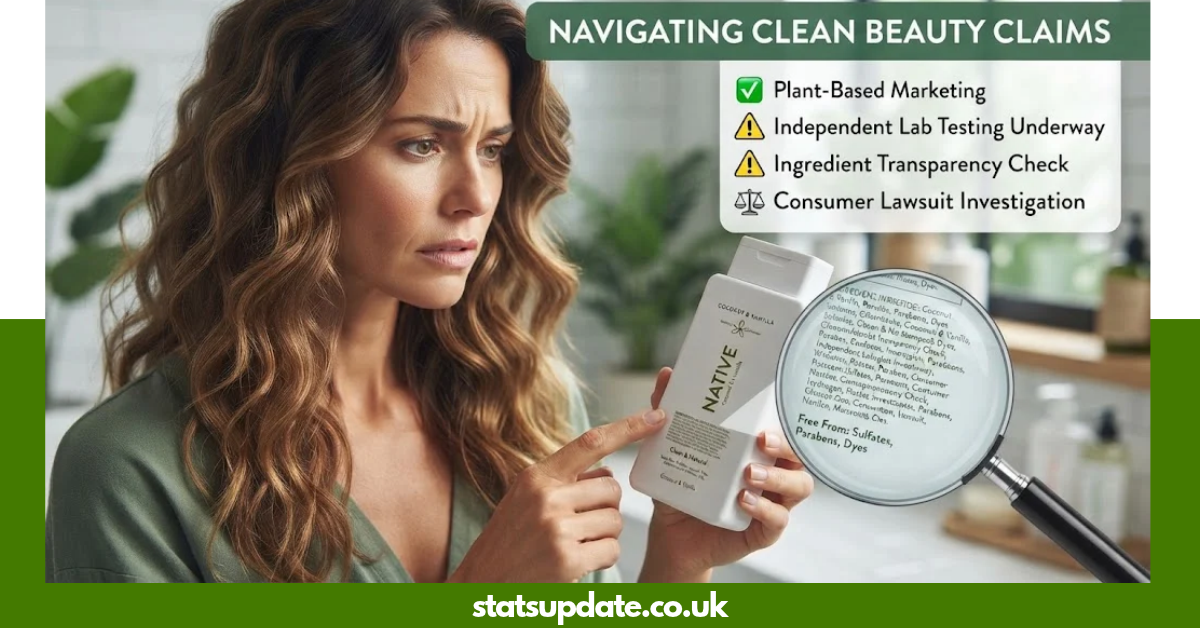
Many shoppers choose plant-based hair care to avoid harsh chemicals, trusting brands that market themselves as safe and clean. Problems arise when consumer advocacy groups and legal firms question whether those natural marketing promises fully match reality. People who bought these items want clear answers regarding ingredient transparency and product safety standards.
What Triggers a Consumer Product Lawsuit?
Legal scrutiny on personal care brands typically begins when independent laboratories test commercial goods for hidden synthetic additives. Plaintiffs often claim that corporations charge premium prices based on misleading clean-label promises.
- Misleading advertising regarding natural ingredients
- Undisclosed synthetic chemicals or trace contaminants
- Premium pricing justified by unproven performance claims
- Lack of clear warning labels for sensitive users
Are There Active Claims Involving Native Hair Care?
While widespread litigation has targeted various dry shampoos for benzene contamination and other brands for formaldehyde-releasing preservatives, formal court dockets directly targeting liquid native shampoo lawsuit filings remain limited compared to broader cosmetic investigations. Legal researchers continuously monitor personal care formulations for synthetic additives.
Expert Note: Always check verified legal portals like ClassAction.org for official updates regarding specific product investigations.
Understanding Clean Label and Marketing Claims
Makers of plant-powered goods highlight simple ingredient lists to attract health-conscious buyers. Critics argue that terms like “naturally derived” can sometimes obscure the presence of processed components or manufacturing byproducts. Transparency remains a core demand for modern shoppers.
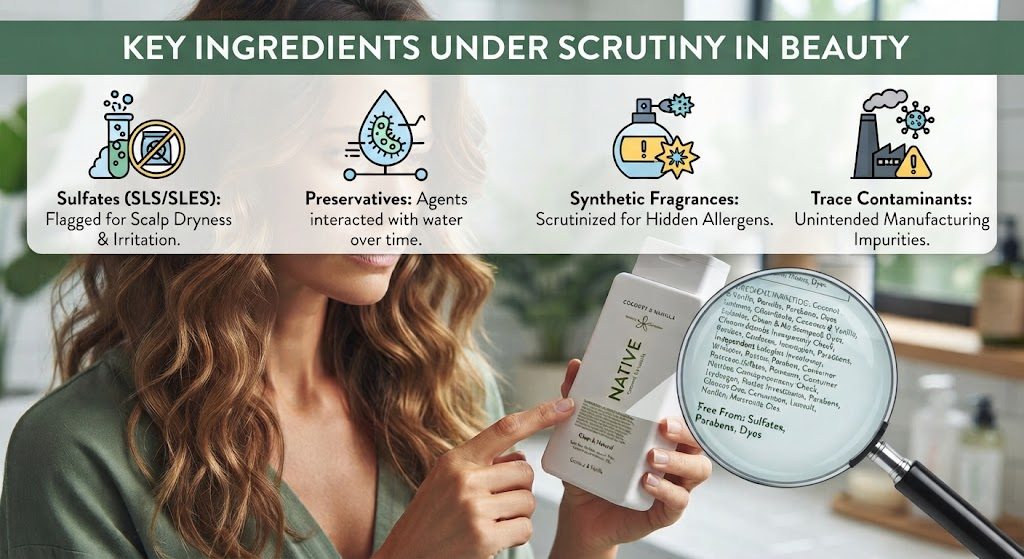
What Ingredients Are Commonly Scrutinized?
Consumer advocates closely examine specific preservatives, sulfates, and packaging materials used across the beauty industry. Understanding these components helps buyers make informed choices about their daily routines.
- Sulfates (SLS/SLES): Often flagged for causing scalp dryness or skin irritation.
- Preservatives: Certain agents are studied for how they interact with water over time.
- Synthetic Fragrances: Frequently scrutinized for hidden allergens or phthalates.
- Trace Contaminants: Unintended manufacturing impurities that enter products during packaging.
Consumer Rights and How to Protect Yourself
Shoppers who feel misled by corporate advertising have several avenues to protect their financial and personal well-being. Keeping purchase history records is the first step toward seeking accountability.
- Save physical receipts or digital order confirmations for personal care items.
- Document any adverse skin or scalp reactions with photographs and medical notes.
- Report deceptive marketing practices to consumer protection agencies like the FTC.
- Join verified consumer registries to stay informed about active legal settlements.
Evaluating the Impact of Industry-Wide Scrutiny
Scrutiny over the native shampoo lawsuit landscape pushes manufacturers to adopt stricter internal testing protocols. Independent audits help restore consumer confidence by proving product purity. Brands that embrace radical transparency generally weather legal shifts more successfully.
The Role of Regulatory Bodies in Cosmetic Safety
Government agencies oversee cosmetic safety, though pre-market testing requirements for beauty products differ significantly from pharmaceutical standards. Advocacy groups urge lawmakers to mandate stricter oversight for items labeled as organic or clean.
- The FDA monitors adverse event reports submitted by consumers and medical professionals.
- Independent safety panels evaluate cosmetic ingredient toxicity limits.
- Public pressure often forces companies to reformulate products proactively.
What Future Legal Trends Mean for Buyers
As legal standards evolve, transparency will likely become a mandatory baseline rather than a marketing bonus. Future class action claims will likely focus heavily on rigorous scientific proof behind every product label. Consumers will benefit from clearer definitions of clean beauty.
Frequently Asked Questions
Formal litigation specific to liquid native shampoo lawsuit claims remains limited, though legal investigators continuously review clean beauty marketing practices and ingredient lists.
Lawsuits typically arise from allegations of false advertising, unverified performance claims, or the unexpected presence of synthetic additives in items marketed as natural.
You can verify active recalls by checking the official U.S. Food and Drug Administration (FDA) database or trusted consumer safety information networks.
Discontinue use immediately, consult a healthcare professional for your symptoms, save the remaining product container, and keep your purchase receipt.
Companies often charge a premium price for specialized sourcing, eco-friendly packaging, and specialized formulations designed to omit traditional synthetic chemicals.
Class action investigations hold corporations accountable for their marketing claims, potentially securing refunds for buyers and forcing transparent labeling updates.
Conclusion
Staying informed about product safety protects both your personal health and your consumer rights. Review ingredient lists critically, keep your purchase records organized, and monitor verified legal updates regarding the native shampoo lawsuit landscape. Share your thoughts or experiences in the comments below to help our community stay vigilant.